About Astro ARO
A Portuguese non-profit association chaired by Marió Dias, built and run by amateur astronomers and engineers who designed a world-class remote observatory in the Alentejo.
Astro ARO today
Astro ARO is now a Portuguese non-profit association, chaired by Marió Dias. Based next to the observatory in the Alentejo, Marió has been part of the adventure since its earliest days — first alongside Francis Bozon, the founder who chaired the association through its construction years — and today leads the association while ensuring day-to-day on-site operations and support for members.
Claudia takes care of roof opening operations, and the founding members remain active contributors to the observatory's technical evolution.
How it started
In 2015, Stéphane and Francis met during an AIP workshop and decided to combine their data from two completely identical setups to increase their total imaging time. In 2017, during a trip to the Alentejo, they discovered a sky of exceptional quality, and their remote observatory project began to take shape.
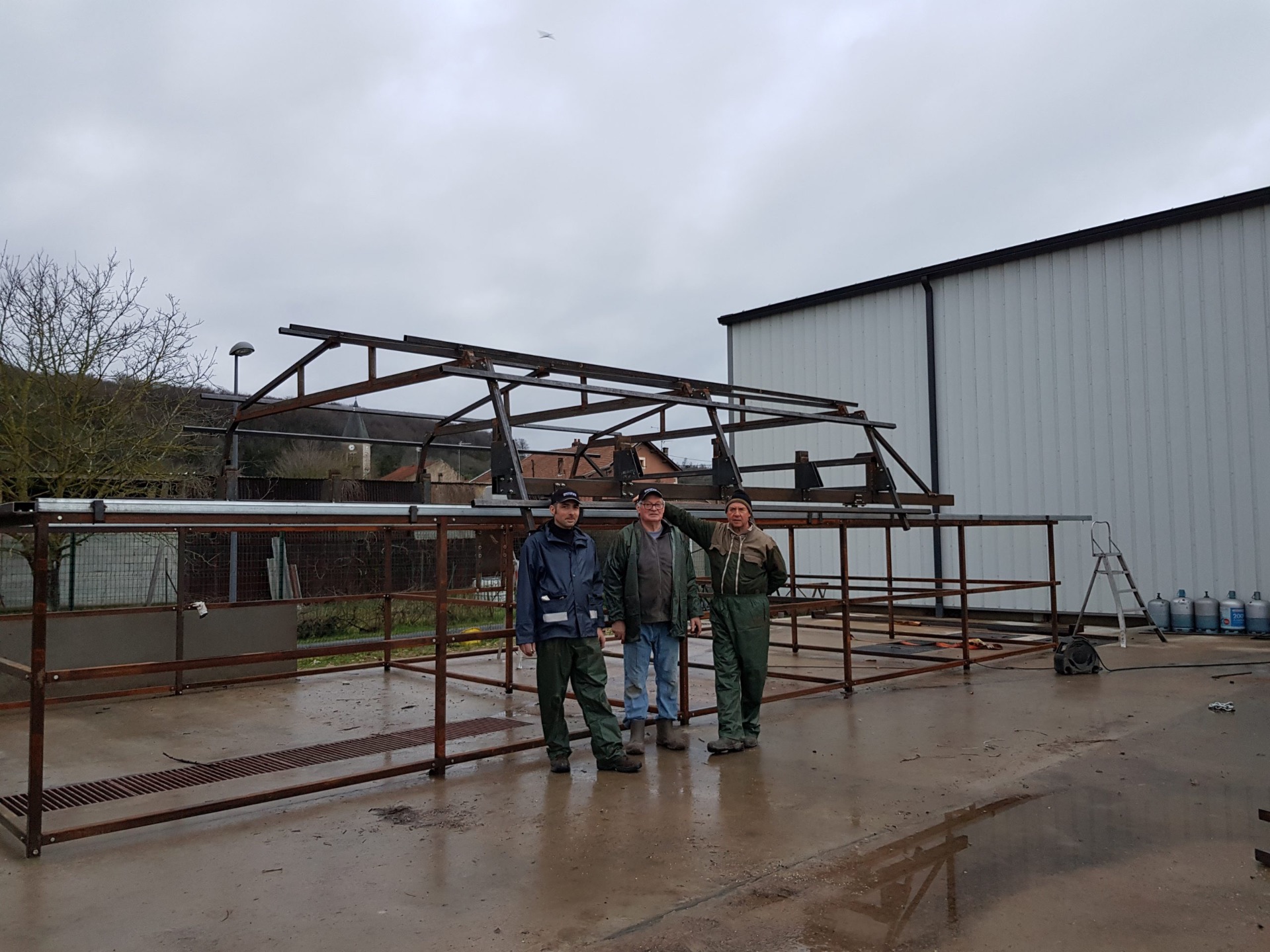
Team collaboration in action
Building excellence through shared expertise
Stéphane
Mechanical Engineer & Observatory Designer
Professional Background
Mechanical fluids and energy engineer by training. Manager of the family construction, repair and machinery sales company since 2005.
Astronomy Journey
Passionate about astronomy and astrophotography since college. Started with film photography, returned to the hobby in 2010 with digital equipment.
Specialization
Galaxies and Nebulae in HaRGB and SHO
Equipment
Newton 250-900 f/3.6 and FSQ 106 refractor in two independent remote observatories
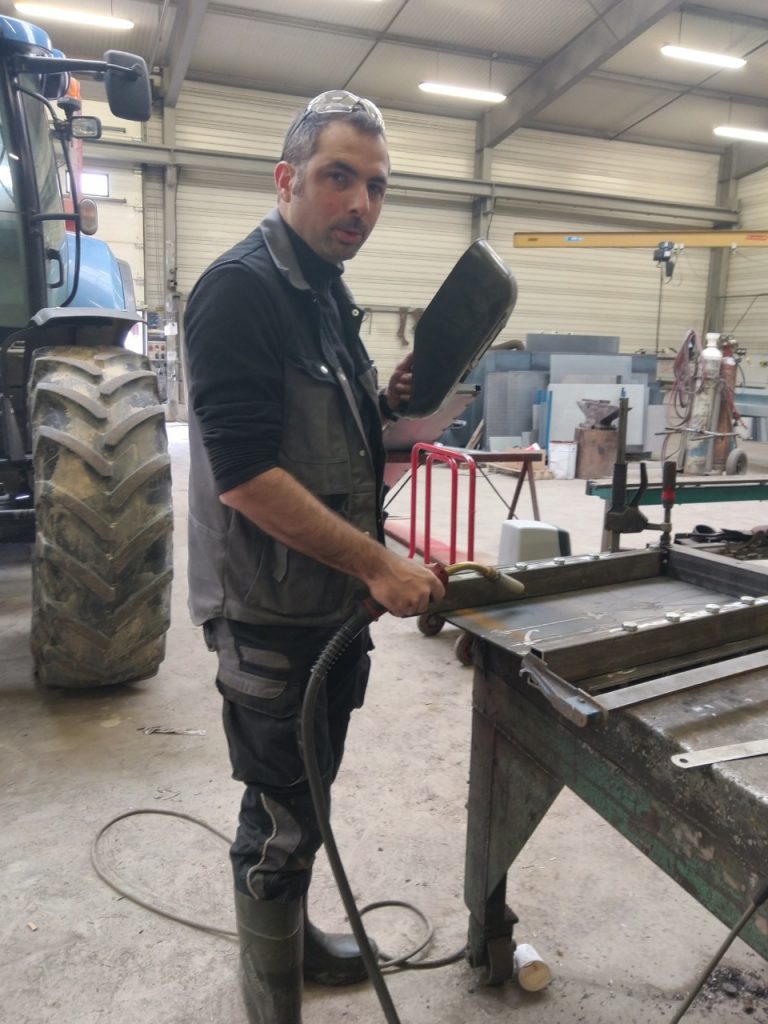
Stéphane at work
Mechanical engineering and fabrication
Jean-Luc
Electronics Expert & Remote Systems Specialist
Professional Background
Radio communication and electronics technician in the Navy for 21 years, then business owner in access control, alarms and video surveillance.
Astronomy Journey
Started astronomy 30 years ago when his son asked questions about the sky. Began astrophotography with webcam, then DSLR, and CCD cameras for the past 15 years.
Specialization
Galaxies and Nebulae in HaRGB and SHO
Equipment
Built his own automated observatory 10 years ago for remote operation
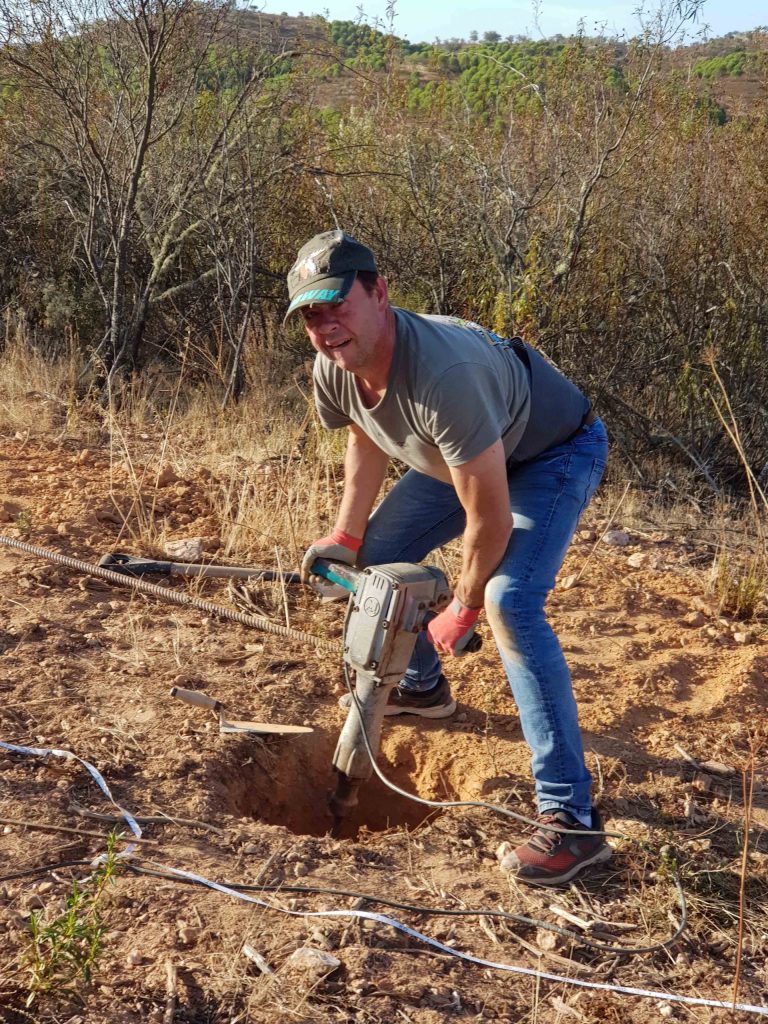
Jean-Luc in action
Building the observatory infrastructure
Francis
Methods Engineer & Precision Craftsm
Professional Background
Methods engineer in the automotive industry, then director of a printing company (from pre-press to finishing) for over 15 years.
Astronomy Journey
I discovered my interest in astronomy during the early days of space exploration. A subscriber to Ciel & Espace for over 40 years, I became passionate about beautiful astronomy photographies.
Specialization
Galaxies and Nebulae in HaRGB and SHO
Equipment
Started with Meade LX 200 12" for planetary work, moved to refractor and Newton 250-900 for deep sky and built my own roll-off roof observatory whose design served as the basis for the Astro ARO observatory.
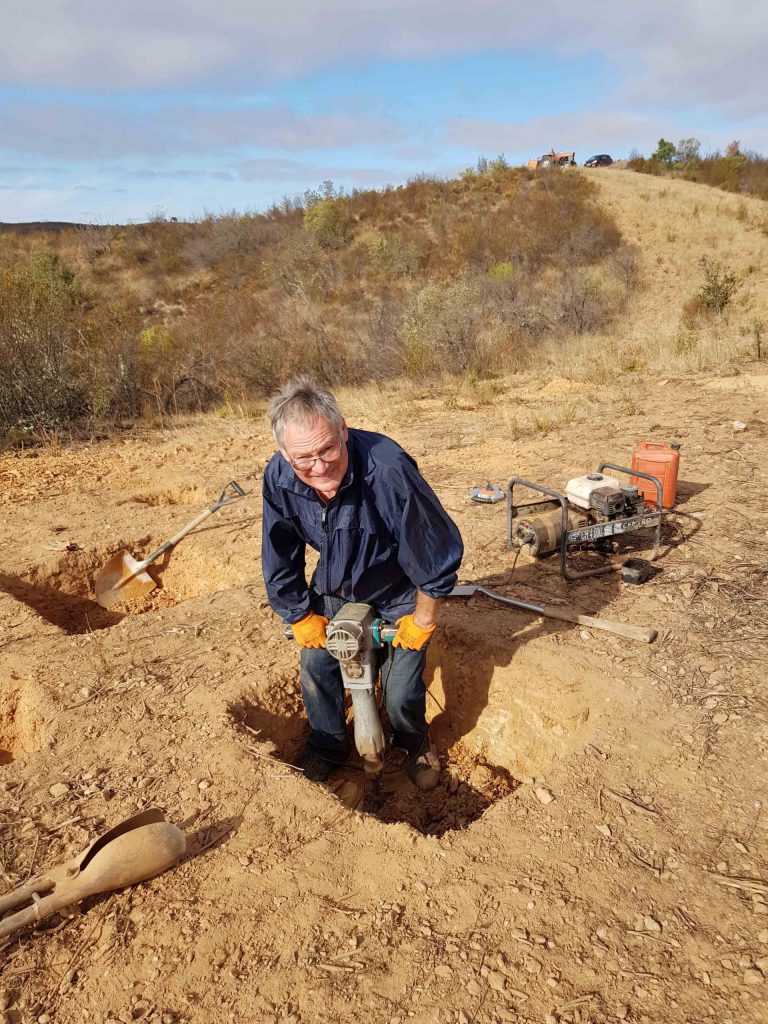
Francis at work
Precision engineering in the field
DIY Philosophy
Each team member brings unique professional skills from their current or past careers, allowing us to handle everything in-house - from mechanical engineering to electronics and software automation.
This approach allows us to offer fellow amateur astronomers access to world-class equipment at modest prices, as labor costs are not factored into membership fees.
Shared Expertise
Our collaboration goes beyond just sharing observatory time. We actively share acquisition techniques, processing methods, and equipment configurations.
This collective approach has led to continuous improvements in our imaging capabilities and the development of innovative remote operation solutions.
Construction Notes
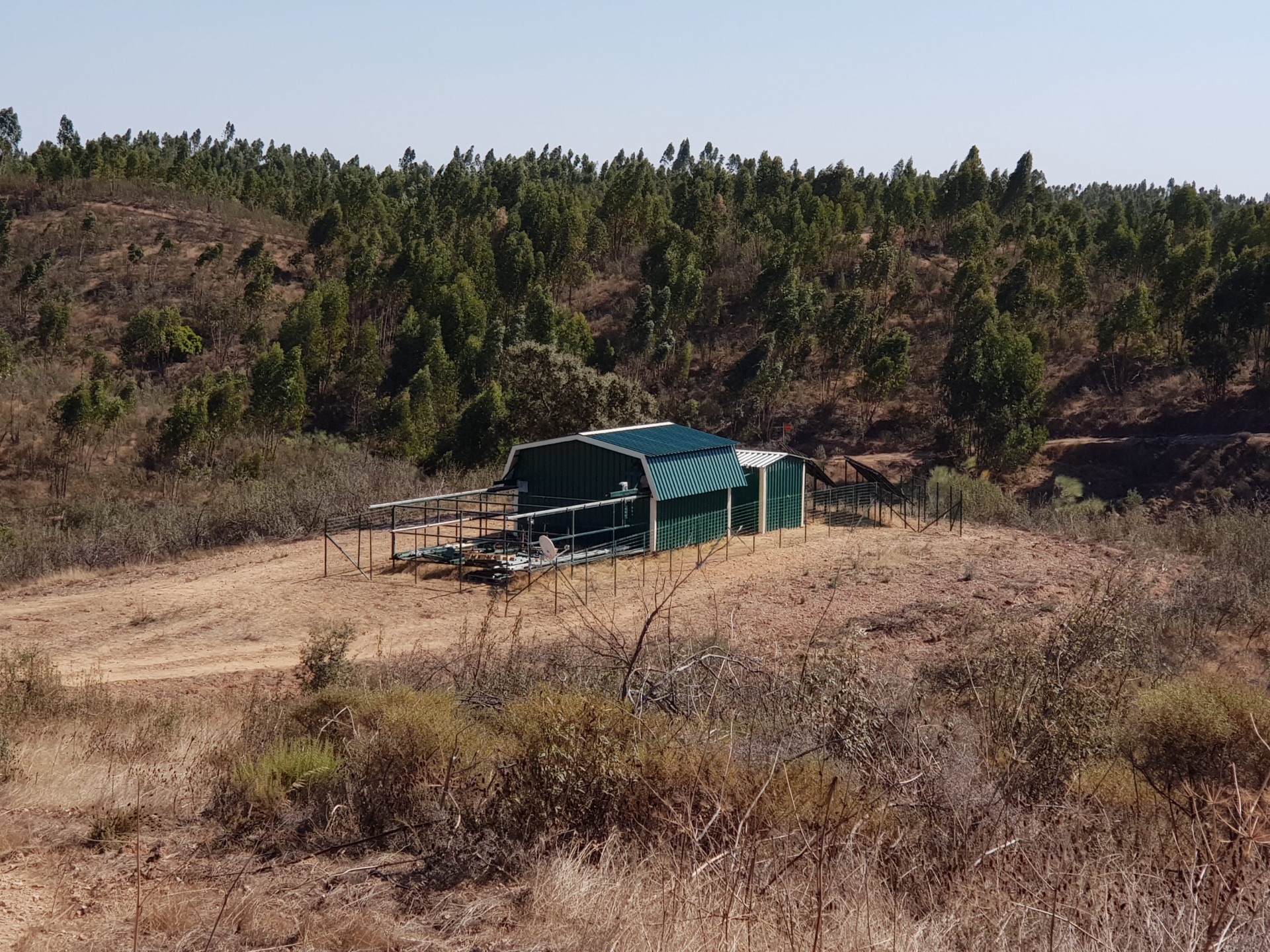
Groundwork and anchoring started in October 2019. A small team designed and built the structure and control layout with maintainability in mind.
The modular steel frame uses adjustable feet to handle terrain variations and allows adding telescope bays without major downtime.
In March 2020, the structure was transported from France and assembled on site with help from local professionals—an international effort for a shared sky.
Individual Telescope Infrastructure
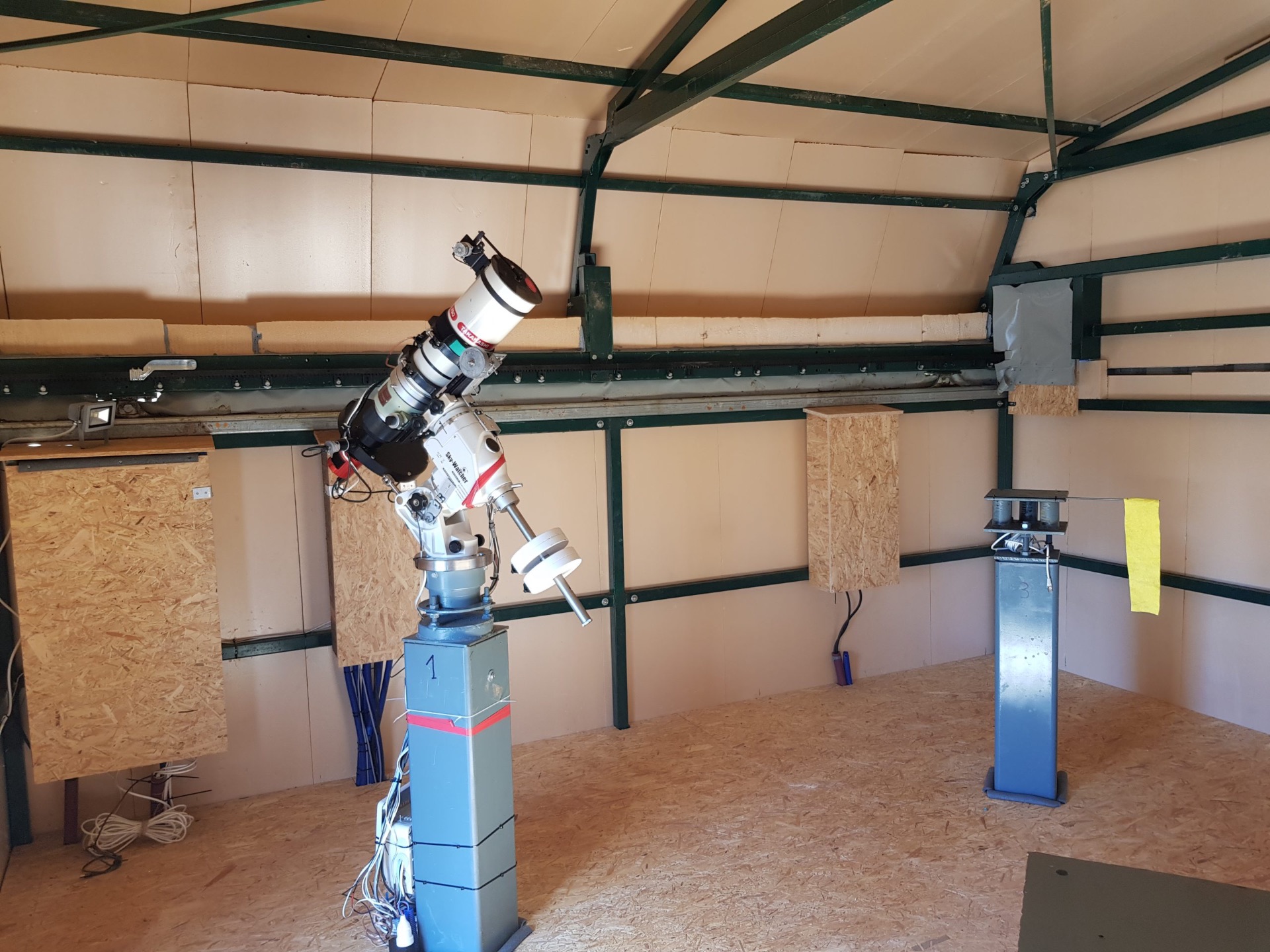
Each telescope has its own fixed stand with dedicated stabilized 220V power control, roof status connector that automatically stops capture when the roof closes, network with internet access, and high roof design allowing telescopes to park even in the north position if desired. This individual infrastructure ensures optimal performance and flexibility for each imaging setup.
Power Systems
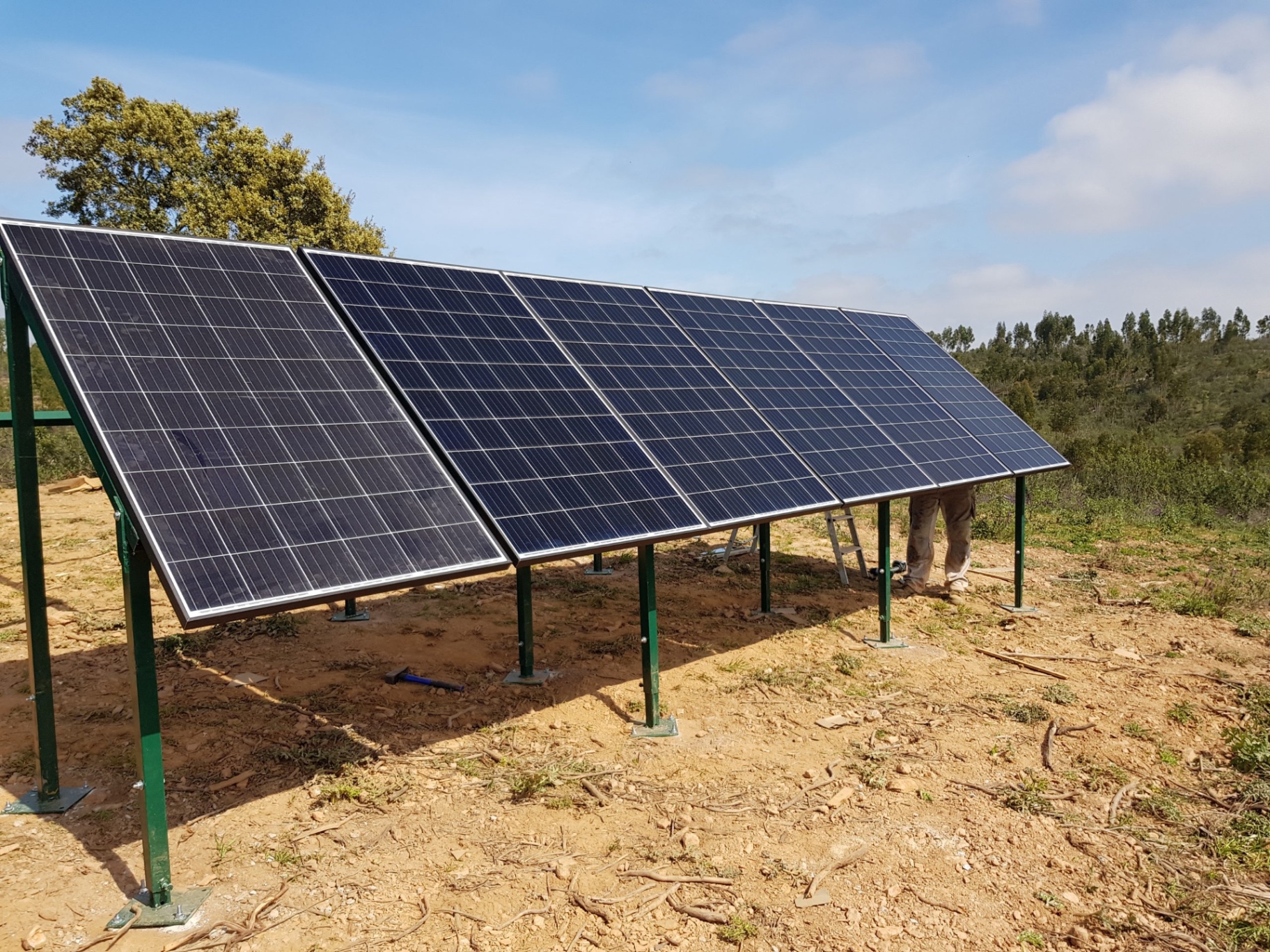
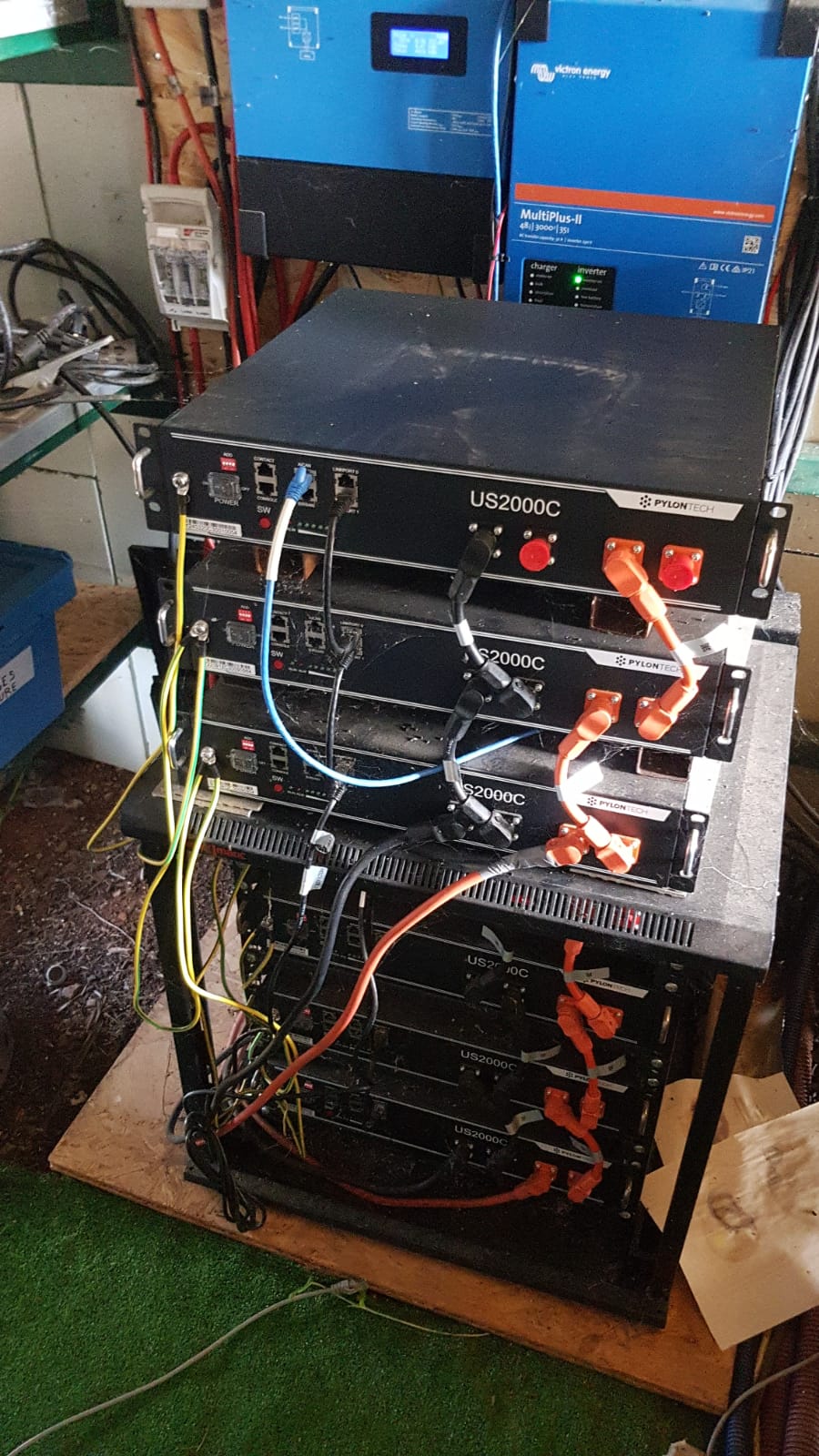
The team designed and installed a complete off-grid power system with solar panels, batteries, and cloud watcher mechanism (monitoring of cloud coverage and rain).